
Register for early bird rates

Poster Gallery

Display your non-profit organization’s work 

As part of the conference, we are creating a dedicated poster gallery to create visibility across the global ecosystem of action in autism and neurodevelopmental conditions.

Amplifying Global Action in Autism and Neurodevelopment

Across the world, NGOs, foundations, and associations are driving meaningful change in the lives of Autistic individuals and people with neurodevelopmental conditions—often in contexts where resources are limited and visibility is scarce. Many of these efforts remain fragmented, underrepresented, or unknown beyond local or regional boundaries.

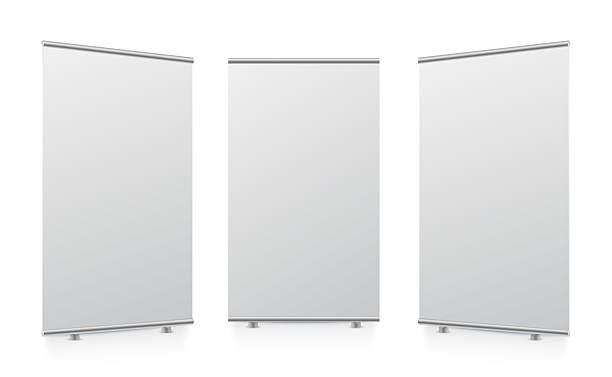
We are inviting organizations to present their work through a roll-up poster, with the aim to:
Showcase the diversity of approaches and solutions being developed worldwide

Create visibility for organizations whose work often operates outside academic or clinical settings

Facilitate connection and collaboration between NGOs, researchers, clinicians, policymakers, and families

Shift the focus from isolated efforts to a shared global movement addressing Autism and neurodevelopment across the lifespan

Participation details

Submit a roll-up poster presenting your organization’s mission, activities and impact 

There are no rules for design, but the content must clearly be related to Autism and/or neurodevelopment

We ask for a participation fee of €300 to cover the cost of printing each poster

We strongly encourage participation from organizations of all sizes and regions. Your work contributes to a larger, shared objective: building a more visible, connected, and coordinated global response to Autism and neurodevelopmental conditions.

For more information please contact us info@eneviahealth.com

Showcase your research and clinical work

AMRS invites scientists, researchers and academics to present their work specifically relating to high-support Autism and other neurodevelopmental conditions. The summit
focuses on mechanisms, measurement and models of care for these individuals, with a strong emphasis on:

  • neuroimmune and redox pathways
  • genetics and epigenetics
  • multiomics integration
  • environmental and exposome research
  • biomarker discovery
  • assay design for immunomodulatory and anti-inflammatory therapies
  • pharmacoomics
  • reliable AI and data standards

We especially welcome work that explicitly includes people with intellectual disabilities and complex communication needs that goes beyond purely behavioural or high-functioning samples.

Abstracts from the following areas are requested:

Neuroimmune, neuroinflammatory, mitochondrial and oxidative mechanisms
Genetics, epigenetics and porous boundary between “idiopathic” and rare forms
Multi-omics (genome, epigenome, transcriptome, metabolome, microbiome) and deep phenotyping
Environmental factors, maternal immune activation, and exposome approaches
Biomarkers and endotypes with potential for clinical utility (risk stratification, prediction, monitoring)
Immunomodulatory and anti-inflammatory treatments (IVIG, steroids, target redox, adjunctive agents)
Sleep, autonomic regulation, pain, sensory overload, and other serious medical factors
AI/ML data standards, logs, and methods with clear validation and explainabillity
Pharmacoomics, polypharmaceutical networks and long-term safety in high-support profiles


Please contact us if you want to submit an abstract, but the topic is not listed here.

How to structure the work:

1 – Background
2 – Methods
3 – Results
4 – Conclusions
5 – Preliminary data (optional, but include
      results or preliminary data where
      applicable
6 – Keywords (3-5)

Please specify where applicable:

Inclusion of people with intellectual disabilities and/ or
minimal/ non-verbal profiles
Key design features (prospective/ retrospective, sample
size, controls)
Effect sizes and measures of clinical utility (beyond p-values)
Information on ethics, approval, and consent procedures

Poster submission requirements:

Content standards

Abstracts should describe
original work (research, audit,
clinical series, methodology,
digital health/ AI tools.)
All proposals must meet
ethical standards; if they
involve human or clinical data,
authors must confirm ethical
approval or exemption where
appropriate.

Format & rules

Language: English
Word limit: Maximum 300 words, excluding the title and list of
authors
Poster specifications for printing:
Number of submissions per author: three
Co-authorship: allowed without a strict limit (within reasonable
scientific practice)
Maximum authors: 10 per submission (exception only for justified multicenter studies)

Dates & deadlines

Deadline for submission of
poster abstracts:
September 1, 2026
Notification of acceptance: October 1, 2026
Final upload of poster PDF:
October 22, 2026

How to submit your poster:

Please create a login and submit through our online system by clicking the button below.

Important reminders

Your roll-up poster
submission must represent
one of the areas outlined for
abstract criteria

There are no rules for design,
but the content must be
clearly follow the criteria
outlined for poster displays

Participants should supply
the design to print
specifications and by
indicated deadline

We are happy to help!

To contact the AMRS organisers, or for queries about the scientific program, please contact info@eneviahealth.com
For any questions about the event venue, sponsorship, or travel, please contact the event coordinators at barcelona@geyseco.es

Scroll to Top