
AMRS brings together internationally recognized speakers from leading academic and clinical institutions worldwide. During the three day summit they will share the latest cutting-edge research, clinical insights, and translational expertise to advance the understanding and care of high-support Autism.














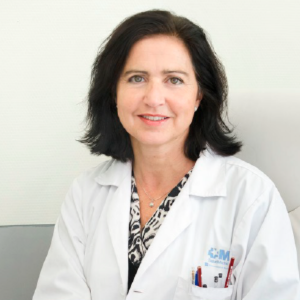
Dra. Mara Parellada
Psiquiatra especializada en psiquiatría infantil y del adolescente
La Dra. Mara Parellada es psiquiatra especializada en psiquiatría infantil y del adolescente, con una amplia trayectoria clínica y de investigación en trastornos del neurodesarrollo, particularmente en el trastorno del espectro del autismo y los trastornos psicóticos de inicio temprano.
Es Jefa de la Unidad de Psiquiatría Infantil y del Adolescente del Hospital General Universitario Gregorio Marañón en Madrid y forma parte del Instituto de Investigación Sanitaria Gregorio Marañón (IiSGM). También está vinculada al Centro de Investigación Biomédica en Red de Salud Mental (CIBERSAM).
Su trabajo se centra en la detección temprana, caracterización clínica y abordaje terapéutico de los trastornos del neurodesarrollo, incluyendo el autismo, así como en la investigación de los mecanismos neurobiológicos y del neurodesarrollo implicados en estas condiciones. Ha participado en numerosos proyectos nacionales e internacionales y es autora de múltiples publicaciones científicas en revistas especializadas.
La Dra. Parellada combina la investigación con una intensa actividad clínica, trabajando directamente con niños, adolescentes y sus familias, y contribuyendo al desarrollo de modelos de atención especializados para trastornos del neurodesarrollo complejos.
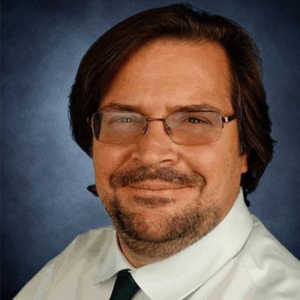
Dr. Richard E. Frye Child
Neurologist & Autism Researcher
Dr. Richard E. Frye is a board-certified child neurologist and internationally recognized autism researcher with expertise in neurodevelopmental and neurometabolic disorders. He received his MD and PhD in Physiology and Biophysics from Georgetown University, and also holds an MS in Biomedical Science and Biostatistics from Drexel University. He completed residencies in Pediatrics and Child Neurology, as well as fellowships in Behavioral Neurology and Learning Disabilities at Harvard University/Children’s Hospital Boston and in Psychology at Boston University. Dr. Richard E. Frye, MD, PhD+1
Dr. Frye holds board certifications in Pediatrics and Neurology with Special Competence in Child Neurology and has authored hundreds of peer-reviewed publications and book chapters. He serves on multiple editorial boards and is Editor-in-Chief for the Section on Mechanisms of Diseases for the Journal of Personalized Medicine. His research has focused on defining physiological abnormalities in autism spectrum disorder (ASD) — including metabolic, genetic, and mitochondrial mechanisms — and on developing targeted, mechanism-based interventions through clinical trials. Wikipedia+1
Dr. Frye has held leadership positions directing autism research programs and specialty clinics at major institutions, and currently contributes to neurodevelopmental precision medicine initiatives aimed at advancing personalized care for individuals with ASD and related neurodevelopmental conditions.
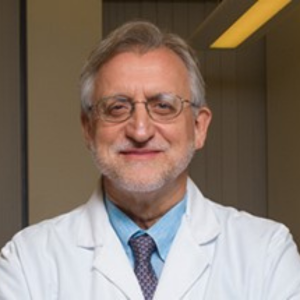
Dr. Theoharis C. Theoharides
Professor and Vice Chair of Clinical Immunology Executive Director, Center of Excellence for Neuroinflammation Research Institute of Neuro-Immune Medicine, Nova Southeastern University
Dr. Theoharis C. Theoharides is an internationally recognized physician-scientist and immunologist whose work has been highly influential in the neuroimmune understanding of autism and related neurodevelopmental conditions. He completed his entire academic and medical training at Yale University, earning a BA, MS, MPhil, PhD, and MD, reflecting an interdisciplinary formation spanning biology, pharmacology, immunology, and medicine. He is a Fellow of the American Academy of Allergy, Asthma & Immunology.
Dr. Theoharides is currently Professor and Vice Chair of Clinical Immunology and Executive Director of the Center of Excellence for Neuroinflammation Research at Nova Southeastern University. His pioneering research on mast cell biology, neuroinflammation, immune–brain interactions, and blood–brain barrier dysfunction has provided key mechanistic insights into inflammatory processes increasingly recognized in subsets of autistic individuals with complex neuroimmune phenotypes.
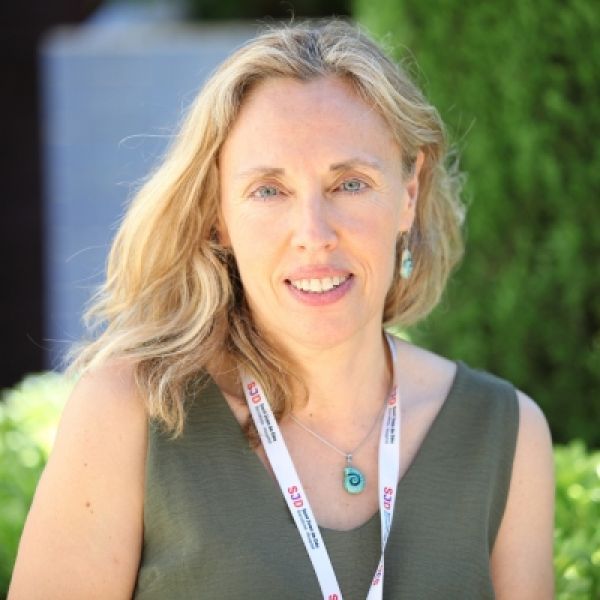
Ángeles García-Cazorla
Pediatric neurologist
Ángeles García-Cazorla, MD, PhD is a Spanish pediatric neurologist internationally recognized for her expertise in inherited metabolic disorders with neurological involvement, particularly neurometabolic diseases presenting in childhood. She is based at Hospital Sant Joan de Déu, Barcelona, where she leads clinical and translational programs focused on rare metabolic and neurogenetic conditions.
Dr. García-Cazorla’s work centers on the early diagnosis and management of inborn errors of metabolism affecting the central nervous system, including disorders of energy metabolism, neurotransmitter defects, and treatable neurometabolic encephalopathies. Her research integrates clinical phenotyping, biochemical diagnostics, and molecular genetics, with a strong emphasis on identifying actionable biomarkers and therapeutic targets.
She has authored numerous peer-reviewed publications and is actively involved in European reference networks dedicated to rare neurological diseases. In addition to her clinical and research leadership, she is a frequent invited speaker at international conferences and contributes to advancing precision medicine approaches in pediatric neurology.
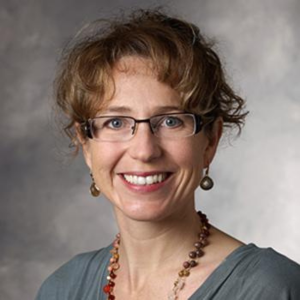
Dr. Jennifer Frankovich
MD, MS
Clinical Professor of Pediatrics
Division of Allergy, Immunology and Rheumatology
Stanford University School of Medicine
Dr. Jennifer Frankovich is a pediatric rheumatologist and Clinical Professor at Stanford University School of Medicine and Lucile Packard Children’s Hospital. She completed her medical training and pediatric rheumatology fellowship at Stanford and holds a Master’s degree in Clinical Research.
Her academic and clinical work focuses on systemic inflammatory and autoimmune diseases in children, particularly conditions with overlapping neuropsychiatric and neurodevelopmental features. She is internationally recognized for her contributions to understanding immune-mediated inflammation, post-infectious syndromes, arthritis, and chronic pain in pediatric populations, including autistic individuals with complex inflammatory presentations. She has authored numerous peer-reviewed scientific publications.
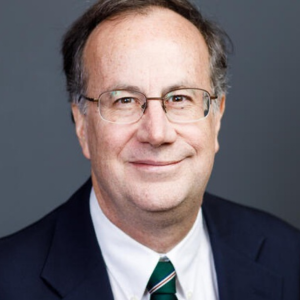
Dr. Prof James Adams
Professor of Materials Science and Engineering Arizona State University
Prof. James B. Adams is a professor at Arizona State University and an internationally recognized researcher in autism spectrum disorder, with a particular focus on biomedical, nutritional, metabolic, and environmental factors. He holds a PhD in Materials Science and Engineering and has applied systems-based and analytical approaches to complex biomedical problems throughout his career.
Prof. Adams is the founder and director of the Autism/Asperger’s Research Program at Arizona State University, one of the longest-running university-based autism research programs dedicated to investigating treatable physiological abnormalities in ASD. His work has included studies on mitochondrial dysfunction, redox imbalance, nutritional status, toxicant exposure, gastrointestinal abnormalities, and microbiome-related factors in autistic individuals.
He has led and collaborated on numerous clinical trials and observational studies, authored a large number of peer-reviewed scientific publications, and co-edited books focused on the biological basis of autism and evidence-based interventions. His research is widely cited and has contributed to advancing biologically informed and clinically actionable models of autism care.
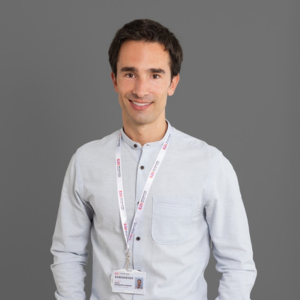
Aritz Aranbarri
Clinical Child Neuropsychologist & Autism Researcher
Aritz Aranbarri, PhD
, is a clinical child neuropsychologist and clinical researcher specialized in early autism neurodevelopment, focusing on early detection, diagnosis, and intervention. He is based at Sant Joan de Déu Barcelona Children’s Hospital, where he works within the specialized autism unit (UnimTEA), a government-recognized high-specialization autism unit in Catalonia, bridging clinical practice and translational research.
Dr. Aranbarri completed his PhD in early neurodevelopment and environmental epidemiology (with highest honors) and received specialized postdoctoral training in autism research at the UC Davis MIND Institute (University of California, Davis), where he contributed to research on early autism intervention using the
Community-Early Start Denver Model (C-ESDM)
under the mentorship of Dr. Aubyn Stahmer. He is also a clinically trained and certified ESDM therapist.
His work focuses on early autism identification, clinical neurodevelopmental characterization, and caregiver-mediated intervention, with an emphasis on facilitating the transfer of evidence-based practices into real-world clinical and community settings. He is Principal Investigator of the CARE C-ESDM clinical trial—the first C-ESDM trial in Spain—and has co-led the Spanish adaptation and dissemination of the digital caregiver training platform
Help Is in Your Hands.
He maintains an active clinical role in early autism diagnosis and provides specialized training for community and pediatric teams. He is an official international trainer of the Bayley Scales of Infant and Toddler Development—a gold-standard tool for early neurodevelopmental assessment—and a university lecturer in postgraduate programs in autism and early neurodevelopment.
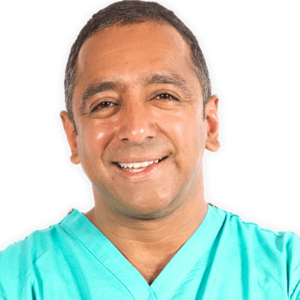
Tim Ubhi
Consultant Paediatrician
Dr. Tim Ubhi is a UK based Consultant Paediatrician with over 30 years of clinical experience in child health. He is a Fellow of the Royal College of Paediatrics and Child Health (RCPCH) and has held senior leadership roles within both NHS and private healthcare settings.
Dr. Ubhi is internationally recognized as a leading clinician in Paediatric Acute-onset Neuropsychiatric Syndrome (PANS) and Paediatric Autoimmune Neuropsychiatric Disorders Associated with Streptococcal Infections (PANDAS) . He is the founder of The London PANS Clinic , a founding member of the UK PANS/PANDAS Physicians Network, and CEO of The Children’s e-Hospital. His work frequently involves autistic children presenting with acute regression or immune triggered neuropsychiatric deterioration.
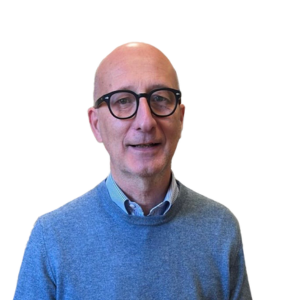
Alberto Spalice
Associate Professor of Pediatrics Pediatric Neurologist, Sapienza University of Rome
Dr. Alberto Spalice is a pediatric neurologist and Associate Professor of Pediatrics at Sapienza University of Rome, where he also serves as Director of the Pediatric Neurology Unit at Policlinico Umberto I Hospital. He completed his medical training and specialization in pediatrics and pediatric neurology in Italy and holds additional postgraduate training in pediatric immunology.
His clinical and academic work focuses on neurodevelopmental disorders, including autism, epilepsy, and complex pediatric neurological conditions. He is recognized for his interdisciplinary approach to the assessment and management of children with neurological disorders and significant medical comorbidities.
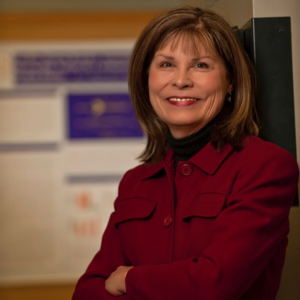
Madeleine W. Cunningham
George Lyn Cross Research Professor of Autoinmmunity and Infection University of Oklahoma College of Medicine
Dr. Madeleine Cunningham is a distinguished immunologist and microbiologist recognized internationally for her work on autoimmunity, molecular mimicry, and infection-triggered immune responses. She holds the George Lynn Cross Research Professorship at the University of Oklahoma College of Medicine.
Her research has been foundational in elucidating antibody mediated mechanisms affecting brain function, particularly in post infectious neuroimmune conditions such as PANDAS and PANS
which have relevance forsubsets of individuals on the autism spectrum. She has published extensively in high impact peer-reviewed journals and is widely cited for her contributions to neuroimmunology.
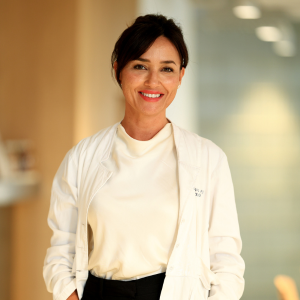
Sara Andrea Setti
Neurologist
Dr. Sara Andrea Setti is a medical doctor specialized in Clinical Neurology, having completed her medical degree at the National University of Rosario (Argentina). Her clinical training includes work in neurology and neuropsychiatry, with a focus on cognitive disorders, neurodevelopment, and complex neurological presentations.
Her professional work integrates conventional neurology with precision medicine perspectives, emphasizing brain function and the influence of systemic factors on neurological health. She has broad clinical experience in the assessment and management of neurodevelopmental disorders, including autism spectrum conditions, particularly in patients presenting with multisystem involvement and medically complex profiles.
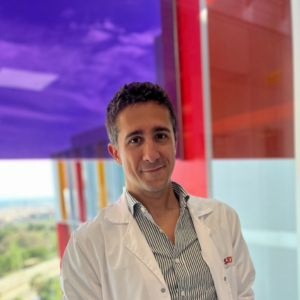
Alfonso Oyarzábal
Is a group leader at Universitat Abat Oliba CEU and Hospital Sant Joan de Déu (Barcelona), where he directs the Brain Metabolism and Personalized Therapies Laboratory. He is a biomedical scientist whose work focuses on understanding the metabolic basis of neurodevelopmental disorders, including autism, and translating this knowledge into mechanism-based and personalized therapeutic strategies.
During his doctoral research, he identified and characterized a novel branched-chain amino acid metabolic disorder within the autism spectrum, defining a targeted treatment and demonstrating that early metabolic intervention can significantly modify disease outcome. Building on this work, his research has expanded to the study of mitochondrial function, synaptic metabolism, and metabolic modulation as therapeutic targets in autism and related neurodevelopmental conditions.
In parallel, Dr. Oyarzábal is involved in the development of the Personalized Medicine Service in Pediatric Neurology at Hospital Sant Joan de Déu, integrating molecular diagnosis with individualized treatment approaches for complex neurodevelopmental disorders. He is also co-founder and CEO of Neuroprotect Life Sciences, a spin-off company dedicated to translating metabolic research into neuroprotective therapies for neurodevelopmental disorders.
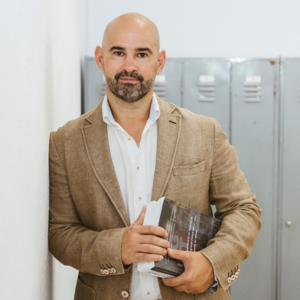
José María Martínez-Sánchez
Epidemiologist & Biostatistician
Dr. José María Martínez Sánchez is an epidemiologist and biostatistician with a PhD in Public Health and extensive experience in clinical research methodology, study design, and statistical analysis. He has developed his academic career at leading research institutions and has contributed to numerous peer-reviewed scientific publications.
His expertise includes epidemiological modeling, analysis of complex clinical datasets, and the translation of clinical questions into robust, publishable research studies across multiple medical disciplines.
Cristina Lidon
Epidemiologist & Biostatistician
Dr. Cristina Lidón-Moyano is an adjunct professor at the UOC (Universitat Oberta de Catalunya), specializing in Epidemiology, Public Health, and Statistics. She holds a Ph.D. in Health Sciences, Epidemiology, and Public Health from the International University of Catalonia, with postdoctoral research at the University of California, Merced. With over 10 years of experience in epidemiology and public health, her research focuses on addiction, mental health, tobacco control, and screen exposure in children. She leads several doctoral theses and is currently studying the vulnerability of homeless women in terms of addiction and mental health.
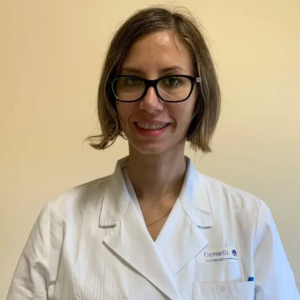
Claudia Brogna
Child and Adolescent Neuropsychiatrist
Dr. Claudia Brogna is a medical doctor specialized in Child and Adolescent Neuropsychiatry, with clinical and academic expertise in autism spectrum disorder (ASD) and other neurodevelopmental conditions. Her professional activity is centered on the assessment and longitudinal management of children and adolescents with autism, including individuals with complex developmental and behavioral profiles.
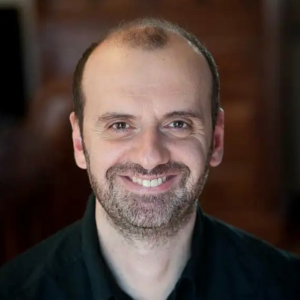
Dritan Agalliu
Associate Professor of Pathology & Cell Biology
Columbia University Irving Medical Center
Dr. Dritan Agalliu is a neuroscientist and immunologist whose research focuses on the molecular and cellular mechanisms regulating the blood–brain barrier (BBB) and its role in neuroinflammatory and neurodevelopmental disorders. He is an Associate Professor in the Department of Pathology and Cell Biology at Columbia University Irving Medical Center.
Dr. Agalliu’s work has been particularly influential in elucidating how immune signaling, endothelial dysfunction, and BBB permeability contribute to brain inflammation. His laboratory has published key studies demonstrating BBB disruption and immune-mediated vascular changes in PANS/PANDAS, providing mechanistic insight into how peripheral immune activation can lead to neuropsychiatric and neurodevelopmental symptoms.
His research integrates vascular biology, neuroimmunology, and developmental neuroscience, and has clear relevance for autism spectrum disorder, especially in subgroups where immune dysregulation and blood–brain barrier alterations are implicated. Dr. Agalliu has authored numerous peer-reviewed publications in high-impact journals and is widely recognized for advancing the understanding of BBB pathology in immune-mediated brain disorders.
Her work places particular emphasis on early diagnosis, developmental trajectories, and individualized clinical evaluation, integrating neuropsychiatric assessment with multidisciplinary approaches. Dr. Brogna has contributed to clinical practice and professional education in the field of autism and is regularly involved in scientific meetings and training initiatives focused on ASD across childhood and adolescence.
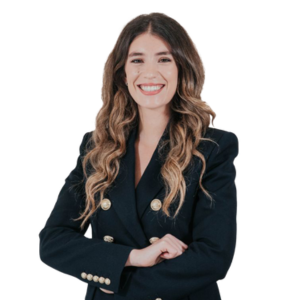
Inês Mazagão
Clinical Nutritionist | Neurodevelopment & Sleep Medicine
Inês Mazagão is a clinical nutritionist specialized in neurodevelopment, gut–brain axis modulation, and sleep-related metabolic and hormonal disorders, with a particular focus on conditions relevant to autism spectrum disorder (ASD). She is recognized for her ability to translate complex clinical concepts into clear, practical strategies that support patients, families, and multidisciplinary medical teams.
Her practice follows a precision medicine approach, addressing gastrointestinal dysfunctions, sleep disturbances, and metabolic imbalances that may impact neurological development and quality of life.
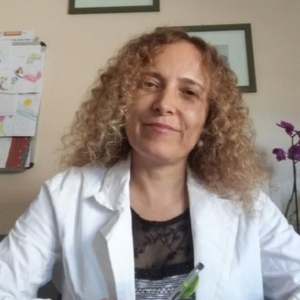
Antonella
MD, Phd
Antonella Gagliano is a medical doctor, specialist in Child Neuropsychiatry and PhD in Neuropsychopathology of developmental learning processes “. She is author of numerous scientific publications, in international and national journals, concerning different topics related to her discipline. She has gained a long clinical and research experience on neurodevelopmental disorders and developmental psychopathology. She was responsible for the Sicilian Regional Reference Center for ADHD, Autism and SLD. She directed the Complex Operational Unit of Child Neuropsychiatry of the University Hospital Policlinico “G. Martino” of Messina and the Degree Course in Neuro and Psychomotor Therapy at the University of Messina. From November 2018 to April 2022, she was Associate Professor of Child Neuropsychiatry at the University of Cagliari and practiced her clinical activity at the pediatric division hospital in Cagliari. Since March 2025, is Full Professor of Child Neuropsychiatry at the University of Enna and Director of the IRCCS-OC Neuropsychiatry Unit of the Oasi Maria SS. ONLUS
Association, Troina (EN).
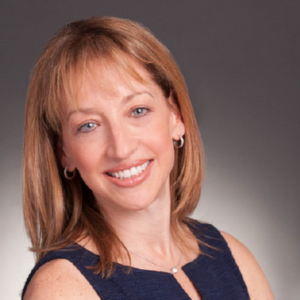
Alison Singer
Co-Founder and President / Board Member
As the mother of a 28-year-old daughter with autism and legal guardian of her older brother with autism, Alison is a natural advocate. She served on the federal Interagency Autism Coordinating Committee (IACC) for 12 years, where she chaired the Safety and Housing Workgroups, and served on the subcommittee responsible for writing an annual strategic plan to guide federal spending for autism research. Alison currently serves on the executive boards of the Yale Child Study Center, the Seaver Autism Center at the Icahn School of Medicine at Mount Sinai, the Marcus Autism Center at Emory University, and the University of North Carolina Autism Research Center, as well as on the external advisory board of the CDC’s Center for Developmental Disabilities, and the New York State Immunization Advisory Committee.
In addition, Alison serves on the board of directors of the International Society for Autism Research (INSAR) and chairs the INSAR Communications Committee. In 2012, the American Academy of Pediatrics named her an “autism champion.” In 2017 she received the INSAR “Outstanding Research Advocate” award and in 2018 she received the New York Families for Autistic Children Research Advocacy Award.
Prior to founding the Autism Science Foundation in 2009, she served as executive vice president of Autism Speaks and as a vice president at NBC. She graduated magna cum laude from Yale University with a B.A. in Economics and has an MBA from Harvard Business School. In 2020, she was awarded an honorary doctorate from Emory University.
In 2018 she was elected to serve on the Board of Education of the Scarsdale Union Free Public School district and in 2020 was elected Vice President of the BOE.
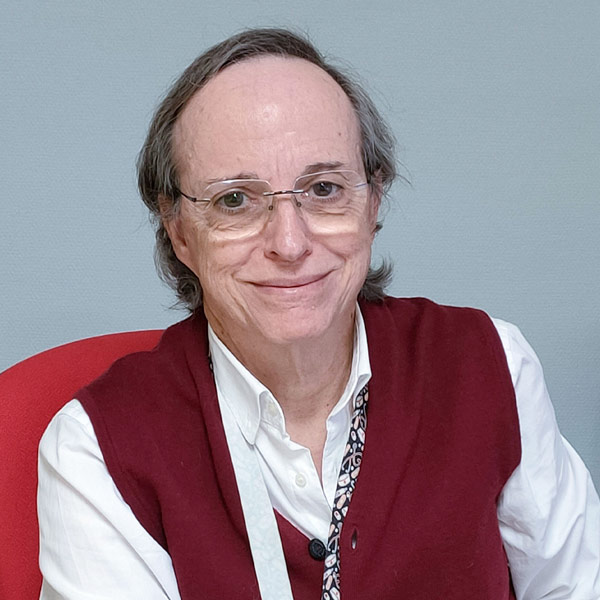
Francisco Carratalá Marco
Unidad de Neuropediatría
Hospital Universitario de San Juan de Alicante
Universidad Miguel Hernández – Facultad de Medicina
San Juan de Alicante, España
Dr. Francisco Carratalá-Marco is a senior paediatric neurologist and Head of the Neuropaediatric Unit at the Hospital Universitario de San Juan de Alicante, and Associate Professor of Paediatrics at the Universidad Miguel Hernández.
His clinical and research work focuses on complex neurodevelopmental disorders, with particular expertise in autism spectrum disorder with epilepsy, neonatal brain injury, and neurodevelopmental genetics. He has extensive experience managing children with severe autism, neurological comorbidity, and early-life brain insults that shape long-term developmental trajectories.
Dr. Carratalá-Marco is a former President of the Spanish Society of Paediatric Neurology (SENEP) and a past board member of the European Paediatric Neurology Society (EPNS). He has authored more than 50 scientific publications and has played a key role in advancing clinical and translational approaches to autism-related neurological complexity.
Sarah Donald
Sheila Coates Foundation Research Fellow
Autism Centre for Education Research
Dr. Sarah Donald is an education researcher whose work focuses on autism, complex support needs, intellectual disability, and inclusive research practices. Her research interests include language and communication, participatory methodologies, research culture and ethics, marginalised groups, and Special Educational Needs.
She holds a PhD in Psychology from City University London, where her doctoral research employed participatory methods to develop more accessible and inclusive research practices for autistic people who are minimally verbal and/or have intellectual disabilities. She also holds an MSc in Speech, Language and Communication in Schools, a PGCE in Primary Education, and a BA (Hons) in Russian and History.
Dr. Donald has extensive professional experience across the education sector, including senior teaching roles in mainstream primary schools, specialist SEN settings, and higher education institutions involved in initial teacher training. She has also worked as a local authority specialist education advisor and is a long-standing school governor.
Currently, as the Sheila Coates Foundation Research Fellow at the Autism Centre for Education Research, she is leading a project examining the impact of sensory and safe spaces in mainstream secondary schools to better support autistic learners. She has also contributed as a Research Associate to an NIHR Applied Research Collaboration project developing a co-production community of practice to improve diversity in applied health research, and has recently been awarded QR research funding to lead a participatory study exploring young autistic people’s lived experiences of education.
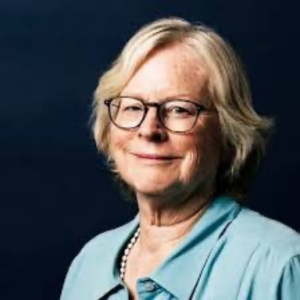
Catherine Lord,
Professor of Psychiatry and Education
Catherine Lord is the George Tarjan Distinguished Professor of Psychiatry and Education at the David Geffen School of Medicine at UCLA. She is a practicing clinical psychologist whose primary focus is autism and related disorders across the lifespan from toddlers through adulthood. Her research and clinical work are aimed at improving methods of identifying strengths and difficulties in individuals with possible ASD and working with families and individuals to maximize independence and well-being for all concerned. This has involved the development of diagnostic instruments (the Autism Diagnostic Observation Schedule – ADOS, the Autism Diagnostic Interview-Revised – ADI-R, and the Social Communication Questionnaire—SCQ) that describe individual profiles of skills and weaknesses and carrying out longitudinal studies from age 15 months up to 30 years . She is a member of the National Academy of Medicine and a fellow of the American Association of Arts and Sciences
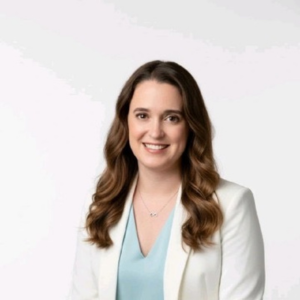
Andreina Méndez
Medically trained
Andreina Méndez is a medically trained specialty Dr in Psychiatry (UK) and neuroscientist with international clinical and academic experience in neurodevelopmen al disorders, particularly autism spectrum disorder (ASD) and attention-deficit/hyperactivity disorder (ADHD) in adults. She holds a Medical Degree, a Master’s in Autism Spectrum Disorders, and a PhD in Neuroscience.
Her work integrates translational neuroscience with specialist clinical assessment and diagnostic practice, with a focus on lifespan presentations of neurodevelopmental conditions, their comorbidities in adult populations . She has held research positions in leading European institutions such as the Institute of Psychiatry, Psychology and Neurosciences at King’s College London, Imperial College London and Instituto de Investigación Sanitaria at hospital universitario Gregorio Marañon (IISGM), Madrid, Spain and has contributed to peer-reviewed research in neuropsychiatry and autism. Her research portfolio spans multimodal investigations into neural mechanisms implicated in ASD and related disorders, including work on neurotransmitter systems and brain connectivity patterns.
Dr Méndez has also collaborated with the European Brain Council on major policy-oriented initiatives, including theValue of Treatment Study and theAutism and Epilepsy Care Pathway Study, contributing to cross-disciplinary efforts aimed at improving standards of care and health system integration across Europe. Dr. Méndez currently leads a multidisciplinary clinical service team dedicated to adult neurodiversity assessment, therapeutic intervention, and professional education. Beyond academic and clinical domains, Dr. Méndez is active in translating scientific insights into accessible formats for broader audiences. She participates in podcasts, professional dialogues, and public education initiatives to demystify neurodiversity and foster evidence informed perspectives in clinical practice and societal contexts.
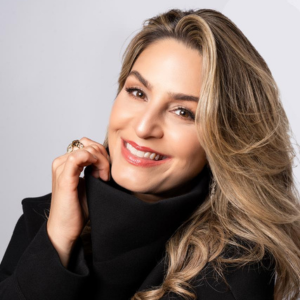
Miriam Inkenbrandt Gimal
Miriam Inkenbrandt Gimal is an international speaker, communicator, and autism coach. An author and advocate dedicated to autism awareness and to supporting families, her work was born from a transformative personal experience that led her to research, train, and create spaces of support for other families.
She is the co-founder of Brain Treatment Center and the creator of the podcast
Autism and Me, an outreach platform that has impacted thousands of families by reminding them that “A diagnosis is not a prognosis.”
Recognized for her ability to bring together science, emotion, and awareness, she promotes a more humane, profound, and hopeful perspective on autism, parenting, and holistic health.
Miriam Gimal’s approach combines education, family guidance, and the promotion of multidisciplinary therapies. She empowers parents throughout the diagnostic process, translates science into everyday language, promotes inclusion and neurodiversity, provides emotional support to families, and helps build community.
She has become an influential voice in advocating for neurodiverse families across Latin America, helping them transform the initial fear of a diagnosis into a journey of learning, purpose, and growth.
More than speaking about autism, Miriam speaks about love, purpose, truth, and transformation.
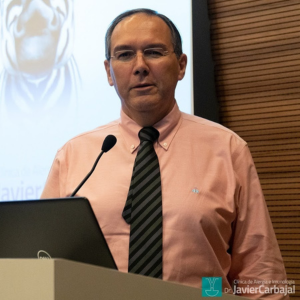
Javier Ricardo Carbajal Lizárraga,
Médico especialista en Alergia e Inmunología Clínica
El Dr. Javier Ricardo Carbajal Lizárraga es un médico especialista en Alergia e Inmunología Clínica con actividad profesional en Brasil, donde dirige una clínica especializada en el diagnóstico y tratamiento de enfermedades inmunológicas.
Su práctica se centra principalmente en:
·Inmunodeficiencias primarias (errores innatos de la inmunidad)
·Enfermedades autoinmunes y autoinflamatorias
·Alergias respiratorias y asma
·Uso de inmunoglobulinas y terapias biológicas
El Dr. Carbajal participa activamente en la comunidad científica internacional, asistiendo y presentando trabajos en congresos relevantes como:
·Reuniones de la Latin American Society for Immunodeficiencies (LASID)
·Congresos de la European Society for Immunodeficiencies (ESID)
·Congreso Brasileño de Alergia e Inmunología
Es miembro de la European Society for Immunodeficiencies (ESID), organización dedicada a la investigación y mejora del conocimiento en inmunodeficiencias primarias .
Su enfoque clínico combina la medicina de precisión, el diagnóstico avanzado y tratamientos personalizados, con el objetivo de mejorar la calidad de vida de pacientes con enfermedades inmunológicas complejas
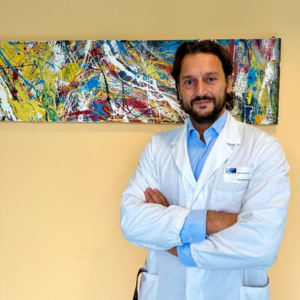
Antonio Sarno,
ENT specialist
Antonio Sarno, MD, is an ENT specialist and head and neck surgeon with extensive clinical, surgical, and academic experience in otolaryngology and cervico-facial pathology. He currently serves as Director of the ENT Unit at Azienda USL Toscana Centro and as Director of the referral HUB for Level II and III Head and Neck Oncology, while also teaching at the School of Specialization in Otolaryngology and Cervico-Facial Pathology at the University of Pavia. His expertise spans oncologic, reconstructive, and functional surgery, and he has been actively involved as a speaker, tutor, teacher, and organizer in numerous national and international courses and congresses.
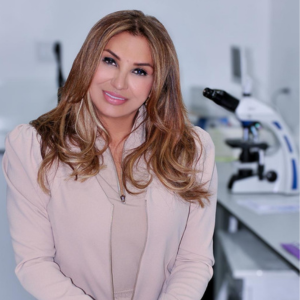
Dolly de León
Dr. Dolly de León is a physician specialized in Anesthesiology, with additional training in integrative medicine and 5P medicine (predictive, preventive, personalized, participatory, and precision) applied to neurodevelopmental disorders, particularly Autism Spectrum Disorder (ASD). She also holds a Master’s degree in Bioinformatics and works in the fields of precision medicine and translational medicine applied to ASD.
Her background in anesthesiology provides a strong foundation in physiology, pharmacology, and critical care, which she integrates into her clinical approach to complex autism presentations.
Throughout her career, she has focused on the assessment and management of underlying biological alterations often associated with more severe ASD profiles, including gastrointestinal dysfunction, immune dysregulation, oxidative stress, and metabolic imbalances.
Her work is characterized by the integration of emerging scientific evidence with clinical practice, developing individualized therapeutic strategies aimed at improving patients’ overall functioning and quality of life. She collaborates closely with families and multidisciplinary teams, contributing to a more comprehensive and biologically informed understanding of ASD.
In the field of research, she has developed a bioinformatics platform for data analysis that enables the construction of biological networks in ASD, work that earned her the National Innovation Award. She also performed the first microbiota transplant in patients with ASD, observing improvement in symptoms.
She is also the creator of the RET, ROT, RET diet, designed for comprehensive immunomodulation in Autism Spectrum Disorder and other immune-related conditions.
In addition to her clinical practice, Dr. de León is actively involved in educational initiatives and international conferences, where she shares her experience and promotes dialogue between research and clinical care in the field of autism.

Hilgo Bruining
MD, PhD
Hilgo Bruining is a Child and Adolescent Psychiatrist and Full Professor in Neurobiological Developmental Disorders at Amsterdam UMC. He serves as Head of the Section of Developmental Disorders and is the founder and principal investigator of the N=You Neurodevelopmental Precision Center at Emma Children’s Hospital, developed in partnership with Levvel. In addition, he is Chief Medical Officer at NBT Analytics, where he contributes to the application of EEG-based biomarkers in clinical trials.
His work lies at the intersection of clinical psychiatry and translational neuroscience, with a focus on neurodevelopmental disorders including autism and schizophrenia. He is particularly involved in advancing precision psychiatry approaches, integrating neurophysiological markers and multi-modal data to improve diagnostic stratification and individualized treatment strategies. His research also explores the neurobiological mechanisms underlying these conditions, including structural genomic variation, synaptic function, and brain activity patterns measured through EEG.
Prof. Bruining has authored numerous scientific publications in the field of neurodevelopmental disorders and is actively engaged in collaborative research within specialized centers and academic networks. His work aims to translate biological insights into clinically meaningful applications that can improve outcomes for individuals with complex developmental conditions.
Scientific Committee
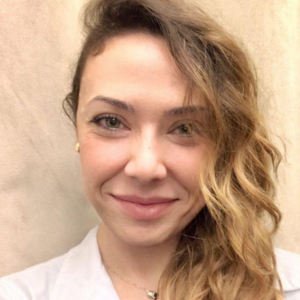
Alessandra Gori
MD
Scientific committee coordinator
Scientific committee coordinator
is an Italian pediatrician, with expertise in allergology and immunology, specializing in neurodevelopmental disorders and complex pediatric neurological conditions. She works clinically and academically within leading pediatric units, providing expertise in diagnosis, management, and interdisciplinary care. She is the founder of AG Med Science, an enterprise specialized in translational scientific reserch.
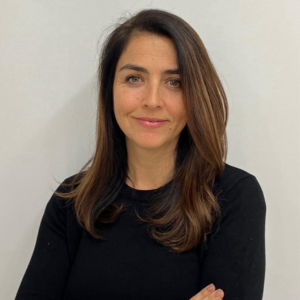
Natalia Mármol Prats
CEO of Enevia Health
Natalia Mármol Prats is CEO of Enevia Health, where she leads initiatives advancing scientific knowledge, research, and innovation in autism and neurodevelopmental health. She drives the translation of evidence-based science into accessible diagnostic and care models, and oversees Enevia Care, the organization’s clinical branch providing multidisciplinary assessment, treatment, and long-term patient support.
Enevia Health also organizes the AMRS Congress as part of its mission to disseminate scientific knowledge and foster collaboration between research and clinical practice..

Tatjana Peskir
Tatjana Peskir is the founder and driving force behind naukatizam.org , a non-profit organization in Serbia dedicated to advancing autism education and community support. Since 2022, she has led the organization of conferences that bring cutting-edge scientific and clinical knowledge to healthcare professionals across the Balkan region, while also supporting families through initiatives such as Serbia’s National Autism Week.
Through her company, Dobrobeat d.o.o., she collaborates with organizations seeking to better support individuals and families affected by autism, helping translate awareness into meaningful action. Guided by a strong commitment to ethical, evidence-informed, and comprehensive approaches, her work centers on building connected ecosystems that bring together families, clinicians, researchers, and industry to improve outcomes in autism.
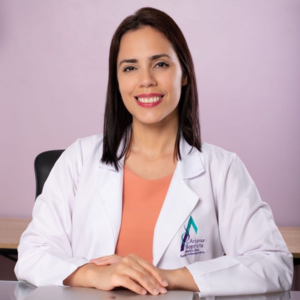
Ariana Baptista
Dr. Baptista is a medical geneticist specializing in the integrative assessment of neurodevelopmental, immunological, and metabolic conditions in pediatric populations. Her approach is based on understanding the complex interplay between these systems, combining clinical genetics with principles of functional medicine to identify underlying biological mechanisms and deliver personalized care., researchers, and industry to improve outcomes in autism.
She holds an MSc in Stem Cell Biology and Regeneration from Queen Mary University of London
and has developed expertise in areas such as microbiome research, regenerative medicine, and cellular reprogramming.
Contact us if you need any help in attending the event.
We are the first Spanish company specialized in Professional Congress Management and the Management of Scientific Societies, with more than 30 years of experience.

C/ Marina. 27,
08005 – BARCELONA
T +34 932 212 242
www.geyseco.es
barcelona@geyseco.es
We are happy to help!
To contact the AMRS organisers, or for queries about the scientific program, please contact info@eneviahealth.com
For any questions about the event venue, sponsorship, or travel, please contact the event coordinators at barcelona@geyseco.es